
“Star al madina pest control is exceptional! Prompt response, knowledgeable technicians, effective treatments, and excellent customer service. Highly recommend for all your pest control needs.”
Pest control / Snakes
Snake removal in Dubai
Snakes are caught and relocated, not killed. Once the animal is gone we deal with why it was there — the harbourage, the gaps and, more often than not, the rodents it came in to hunt.
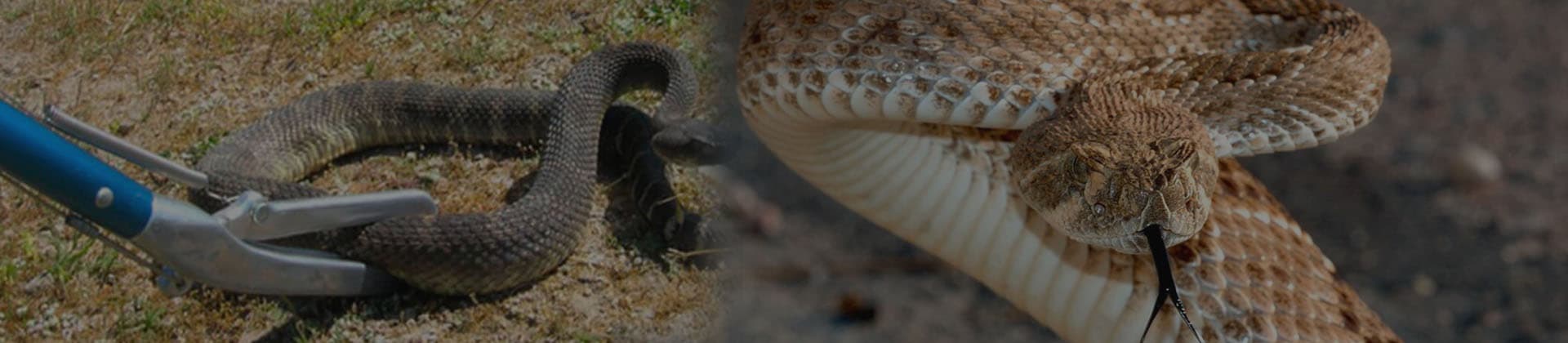
Safe capture and relocation, not killing
Urgent response for a snake indoors
Harbourage and entry points reported
Free inspection and written quote
In short
Snake removal in Dubai is a capture-and-relocate service. A trained technician locates and safely captures the animal using proper handling equipment, then releases it away from populated areas. The follow-up work matters just as much: removing harbourage, sealing gaps and dealing with the rodent population that attracted it.
Reviewed by the Star Al Madina technical teamDubai Municipality licensedLast updated
Overview
Snake removal for Dubai villas and compounds
Snakes turn up at Dubai properties that back onto desert, landscaped parkland, farmland or open plots, and most often in villas and compounds, seldom towers. They are not seeking out people or buildings. They follow prey and shelter, and an irrigated garden with a rodent population offers both in a landscape that otherwise offers neither.
The useful thing to understand is that a snake in a garden is usually a symptom. Rodents in the landscaping, dense ground cover, stacked materials and unsealed gaps at the base of walls are what make a plot attractive. Remove the animal without changing any of that and another may follow.
Star Al Madina provides snake removal and follow-up proofing across Dubai villas, compounds, labour accommodation, construction sites and industrial premises. Every animal is captured and relocated alive, and the inspection afterwards records the harbourage and access points that need closing.
At a glance
- Main method
- Capture and relocation
- Response
- Urgent for indoor sightings
- Usual cause
- Rodents and harbourage
- Follow-up
- Proofing report included
- Killed?
- No — relocated
Identification
Signs of snake activity
Most people call after seeing the animal. Where there has been no sighting, these are the indicators worth acting on.
A shed skin
A complete or partial translucent skin in a garden, garage, store room or under decking. Conclusive evidence of a snake resident on the plot.
Track marks
Smooth winding trails in sand, dust or soft soil, particularly along walls, beside irrigation lines and around outbuildings.
Rodent activity
An established rat or mouse population in the landscaping is the most reliable predictor of snakes on a Dubai plot.
Holes and burrows
Rodent burrows, irrigation chambers and gaps under paving and decking provide exactly the cool shelter snakes seek out during the day.
Unusual pet behaviour
Dogs or cats fixating on a specific point — a wall base, a stack of materials, a drainage chamber — often before anyone has seen anything.
Sightings near boundaries
Repeated sightings along a boundary wall backing onto desert, open plot or parkland indicate a route in use, not a one-off visitor.
Health and risk
Are snakes dangerous?
Most snakes in the UAE are harmless or only mildly venomous, but several medically significant species are present. The correct assumption with any snake you cannot identify is that it is dangerous.
Venomous species do occur
The UAE has several medically significant snakes, including saw-scaled vipers and Arabian cobras. A bite from either requires immediate hospital treatment.
Do not attempt to catch it
Most bites happen when someone tries to kill, capture or move a snake. Keep everyone back, keep it in sight if you safely can, and call.
Risk to children and pets
Gardens, pool surrounds and play areas are where encounters happen. Pets investigating a snake are at considerably higher risk than adults.
If someone is bitten
Go to hospital immediately. Keep the person calm and still, do not cut, suck or apply a tourniquet, and photograph the snake only if it is safe.
Species
Which snakes you may see in Dubai
CHECK WITH TECHNICIANSIdentification matters for the response, not for the removal method — every snake is handled as though it is venomous until confirmed otherwise.
Saw-scaled viper
Echis carinatus · 40–60cm
Small, sandy-brown with a pale zigzag pattern, and responsible for a significant share of serious snakebites across its range. Makes a distinctive rasping sound by rubbing its scales. Medically significant — keep well clear.
Arabian cobra
Naja arabica · 1.2–1.8m
Large and capable of raising a hood when threatened. Found in wadis, farmland and vegetated areas, seldom open desert. Medically significant, and a bite requires immediate hospital treatment.
Sand boa and racers
Eryx jayakari, Platyceps spp. · 30–100cm
Non-venomous species commonly found on landscaped plots and in gardens, feeding largely on rodents and lizards. Harmless to people, but still relocated away from children and pets.
Our treatment
How we remove snakes
Safe capture with proper equipment, relocation away from populated areas, then an inspection of why the plot was attractive in the first place.
Why not kill it?
Killing a snake is both unnecessary and the point at which most bites occur. Relocation is safer for everyone present and does nothing to reduce the effectiveness of the follow-up proofing work.
- 1Secure the areaOn arrival we keep people and pets back and establish where the animal is or was last seen, before any attempt at capture.
- 2Locate and identifyWe search the likely harbourage — under decking, in stored materials, drainage chambers, dense planting and wall bases — and identify the species where possible.
- 3Safe captureCaptured with hooks, tongs and a secure container by a technician trained to handle venomous species. Every snake is treated as venomous until identified.
- 4RelocationReleased into suitable habitat away from residential areas. The animal is not killed and is not kept.
- 5Harbourage and proofing surveyWe record the gaps, harbourage and rodent activity that made the plot attractive, and write them into the report with what needs changing.
Comparison
Removal, proofing or rodent control?
The call-out deals with the animal. These are the parts that decide whether there is another one.
| Method | Best for | Vacate? | How long it lasts |
|---|---|---|---|
| Capture and relocation | An animal on site now — the immediate response | Keep clear during capture | Deals with that animal only |
| Harbourage removal and proofing | Gaps at wall bases, stored materials, dense ground cover, open chambers | No | Long term, while maintained |
| Rodent control | Removing the prey that makes the plot worth visiting | No | Ongoing with a scheduled programme |
On plots backing onto desert or open land, rodent control is usually the single most effective long-term measure. Snakes follow the food supply.
Cost
What affects the cost
Call-out removal and the follow-up work are quoted separately. The inspection and the written quote are free; an emergency call-out is priced before we travel.
One thing worth knowing
If the plot backs onto desert or open land and has a rodent population, expect repeat visitors until the rodents are dealt with. That is the measure worth investing in, not repeat call-outs.
- 01UrgencyA snake inside a house is an immediate response. A sighting in a far corner of a garden can be scheduled, and is quoted accordingly.
- 02Whether the animal is still visibleA snake in sight is a short job. One that has gone under decking, into a chamber or inside a stacked store means a search.
- 03Size and complexity of the plotLarge compounds, landscaped grounds, construction sites and industrial yards take considerably longer to search and to assess.
- 04Proofing work requiredSealing wall gaps, covering chambers, clearing ground cover and moving stored materials is quoted from the survey findings.
- 05Rodent programmeWhere rodents are the underlying cause, that runs as a separate scheduled programme and is priced on the property.
Before the visit
What you need to do
The safety instructions matter more here than on any other job. Please follow them exactly.
- Keep everyone and all pets well away from the area, and do not attempt to catch, kill or move the snake yourself.
- Keep the animal in sight from a safe distance if you can, and note exactly where it went if it moves.
- Photograph it only from a safe distance, and tell us if anyone has been bitten so you can be directed to hospital immediately.
After the visit
What to expect
- The technician will keep the area clear during capture and will ask you to stay inside or well back.
- If the animal has moved into inaccessible harbourage, a search may be needed and it is not always found on the first visit.
- The snake is relocated to suitable habitat away from residential areas, not killed and not kept.
- Act on the harbourage and rodent findings in the report. That is how you stop the next one.
Timeline
How long does snake removal take?
The removal itself is usually quick. The work that prevents a repeat runs on a longer timescale.
On the call
Safety first
We tell you how to keep everyone clear and what to observe while the technician is on the way.
Attendance
Locate and capture
The animal is located, identified where possible, captured with proper handling equipment and secured.
Same visit
Relocation
The snake is transported and released into suitable habitat away from residential areas.
Same visit
Harbourage survey
The plot is assessed for gaps, ground cover, stored materials, open chambers and rodent activity, and the report is issued.
Following weeks
Proofing and rodent work
Sealing, clearance and any rodent programme are carried out. This is the part that changes whether it happens again.
Prevention
How to keep snakes away from the property
Snakes come for prey and shelter. Removing both is far more effective than any repellent product sold for the purpose.
Control rodents first
An established rodent population in the landscaping is the main reason a snake visits a plot at all. This is the highest-value measure by some distance.
Clear stored materials
Stacked timber, pallets, building materials, tyres and firewood against a wall are ideal shelter. Store them raised and away from the boundary.
Cut back dense ground cover
Thick low planting, long grass and heavy mulch give cover right up to the building. Keeping a clear strip along walls removes the approach.
Seal gaps at wall bases
Gaps under gates, around pipework, at the base of boundary walls and under doors are the usual routes into a garden or a garage.
Cover chambers and drains
Open irrigation boxes, drainage chambers and inspection covers offer exactly the cool daytime shelter snakes seek out.
Manage water and feeding
Leaking irrigation, pet food left outdoors and bird feeding all support the rodent population that in turn attracts snakes.
Across Dubai
Where the problem comes from depends on where you live
Snake encounters in Dubai are strongly tied to what the property backs onto, which is why the response differs by location.
Villas and compounds
Arabian Ranches · Al Barari · Emirates Hills · Al Qudra Lakes
By far the most common setting, particularly on plots backing onto desert, parkland or open land. Irrigated gardens with rodent activity are the attraction, and the boundary wall is usually the route in.
Apartments and towers
Dubai Marina · JLT · Business Bay · International City
Genuinely rare. Where it happens it is usually in podium landscaping, basement car parks or ground-floor service areas, seldom in a flat, and it is handled through building management.
Sites, yards and accommodation
Al Quoz · Jebel Ali · Dubai Industrial · Ras Al Khor
Stored materials, excavations, temporary drainage and rodent populations make construction sites and industrial yards a regular source of call-outs, alongside labour accommodation on the urban edge.
Reviews
What customers say
Verbatim from Google.
“On schedule, the pest treatment team sprayed the bathroom and behind the sink, where the majority of my pests were hiding.”
“Its really good pest control services in uae with professional team work keep it !! I am satisfy with their work”
FAQ
Snakes questions
The questions customers ask most before booking. If yours is not covered here, call or message us and a technician will answer it.
What should I do if I see a snake?
Keep everyone and all pets well away, do not attempt to catch or kill it, and call us. If you can safely keep it in sight from a distance, that makes removal considerably quicker. Most bites happen to people trying to handle a snake.
Do you kill the snake?
No. Snakes are captured using proper handling equipment and relocated to suitable habitat away from residential areas. Killing them is unnecessary and is the point at which most bites occur.
Are snakes in Dubai venomous?
Some are. Several medically significant species occur in the UAE, including saw-scaled vipers and Arabian cobras, alongside many harmless ones. Treat any snake you cannot identify as dangerous and keep well clear.
How quickly can you come out?
A snake inside a building is treated as urgent and we respond as fast as we can reach you. A sighting in a garden or a far corner of a plot can usually be scheduled for the same or next day.
What if someone is bitten?
Go to hospital immediately. Keep the person calm and as still as possible, do not cut, suck or apply a tourniquet, and photograph the snake only if it is genuinely safe to do so.
Why did a snake come into my garden?
Almost always prey and shelter. An irrigated garden with a rodent population, dense ground cover, stored materials and gaps at the wall base offers both, in a landscape that otherwise offers neither.
How do I stop it happening again?
Control the rodents, clear stored materials and dense ground cover away from walls, seal gaps at the base of boundary walls and under gates, and cover irrigation and drainage chambers. The report lists what we found on your plot.
Do snake repellents work?
Products sold as snake repellents have very little reliable evidence behind them. Removing prey and shelter actually changes whether a plot is visited.
What if you cannot find it?
It happens, particularly if the animal has moved under decking, into a chamber or inside stacked materials. We will tell you honestly, advise on keeping the area clear, and return if it is seen again.
Do you cover construction sites and accommodation?
Yes. Sites, yards and labour accommodation are common call-outs, and we also run scheduled rodent programmes there, which is the measure that reduces snake encounters long term.
Summary
Key points
- Snakes are captured and relocated, never killed.
- Do not attempt to catch or kill a snake. That is when most bites happen.
- Several medically significant species occur in the UAE; assume any unknown snake is dangerous.
- A snake on a plot is usually a symptom of a rodent population.
- Harbourage, wall gaps and ground cover decide whether another one follows.
- Inspection and the written quote are free; emergency call-out is priced before we travel.
Other pest control services
Snake call-outs almost always come back to rodents in the landscaping. If you have seen burrows or droppings in the garden, that is the thing worth dealing with next.
Book a free snake and harbourage inspection
If a snake is inside a building, call us; do not message. That is treated as urgent. Otherwise send a photo from a safe distance.